End of tenancy cleaning for Belsize Park Swiss Cottage
Moving out is rarely calm. There are boxes in the hallway, a missing charger you only notice at the worst possible moment, and a long list of things that suddenly matter: the inventory, the checkout date, the carpets, the oven, the windows, the skirting boards. That is exactly why End of tenancy cleaning for Belsize Park Swiss Cottage is such a practical service. It helps tenants leave a property in proper order, gives landlords and agents a cleaner handover, and takes a lot of pressure off the final week.
In this guide, you'll get a clear explanation of what end of tenancy cleaning involves, how it usually works in homes around Belsize Park and Swiss Cottage, what areas deserve the most attention, and where people most often slip up. You'll also find a checklist, a comparison table, and some plain-English guidance on standards and expectations. No fluff. Just the bits that actually help when time is tight and the keys are nearly due back.
Why End of tenancy cleaning for Belsize Park Swiss Cottage Matters
Let's face it: when a tenancy ends, everyone wants the same thing. The tenant wants their deposit back, the landlord wants the property ready for the next occupant, and the letting agent wants the handover to be smooth. A proper end of tenancy clean helps bridge those interests. It is not just about making the place look tidy for a moment. It is about restoring the property to a condition that fits the tenancy agreement, the inventory, and everyday expectations for a rented home.
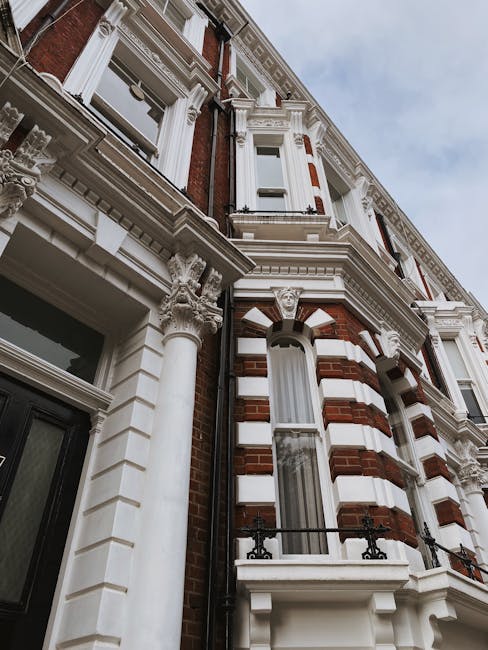
Belsize Park and Swiss Cottage have a mix of period flats, mansion blocks, converted apartments, and modern developments. That variety matters. Older properties often have detailed woodwork, tricky corners, ornate fittings, or older flooring that shows dust and grime fast. Newer flats can have glass, chrome, and kitchen finishes that show fingerprints, limescale, and grease more clearly than people expect. In both cases, the final clean is part practical, part strategic. You want to remove the kinds of marks that tend to get noticed at checkout: oven residue, bathroom buildup, limescale around taps, dust on top of doors, and soft furnishings that hold on to odours.
A good clean also reduces the back-and-forth that can happen after move-out. If the property is left with obvious dust, food debris, pet traces, or stained carpets, it can lead to avoidable questions and deductions. Nobody needs that drama, especially at the end of a move when you are already juggling estate agents, removals, and the next set of keys.
Key takeaway: end of tenancy cleaning is really about handover confidence. Done properly, it supports a cleaner inspection, a calmer conversation with the agent, and a better chance of a straightforward move on both sides.
How End of tenancy cleaning for Belsize Park Swiss Cottage Works
In practice, end of tenancy cleaning is a deep, systematic clean of the property from top to bottom. It is usually more detailed than regular domestic cleaning and more focused on the visible and hidden areas that are likely to be checked. That means the cleaner starts high and works down: cobwebs, light fittings, tops of cabinets, kitchen grease, bathroom scale, skirting boards, floors, and finally the little touch points like handles, switches, and internal glass.
A typical appointment begins with a quick walkthrough. This is useful because every property is slightly different. A one-bedroom flat near Finchley Road will not need the exact same approach as a larger maisonette near Belsize Village, even if the headline service is the same. The cleaner will usually identify priority areas, note any heavy soiling, and decide whether extra work is needed for carpets, upholstery, ovens, or windows. If you already know there is a stubborn stain or a pet-related issue, say so early. Truth be told, it saves everyone time.
The work itself often includes a mix of general deep cleaning and targeted tasks. For example, a kitchen may need oven cleaning, cupboard wiping, degreasing behind appliances, and sink descaling. Bathrooms often need limescale removal, grout cleaning, mirror polishing, and careful attention around taps and shower screens. Living rooms and bedrooms may need dust removal from edges, wardrobes, internal windows, and floors. If carpets, rugs, or upholstery are part of the tenancy, it can make sense to combine the service with carpet cleaning, upholstery cleaning, or steam carpet cleaning where appropriate.
After the cleaning is complete, the property should be ready for inspection, with no obvious dust, residue, or avoidable marks left behind. That said, no one can promise a perfect outcome if there are pre-existing damage issues, heavily worn surfaces, or items that were already in poor condition. Good providers will be clear about that up front, which is a reassuring sign rather than a bad one.
Key Benefits and Practical Advantages
The biggest benefit is simple: less stress at the end of the tenancy. But there are several more practical advantages that are easy to overlook while you are packing tape and arguing with a wardrobe bolt.
- Cleaner checkout presentation: the property looks cared for during the final inspection.
- Better chance of avoiding cleaning-related deductions: if the work is thorough and matches the tenancy expectations, there is less room for avoidable dispute.
- Time saved: moving is exhausting enough without scrubbing a hob at 10 p.m. on a Thursday.
- More consistent results: professionals clean methodically, so the overlooked corners are less likely to be missed.
- Useful add-ons: if needed, you can bundle related work such as oven cleaning, window cleaning, or mattress cleaning.
There is also a quieter benefit: peace of mind. When the place has been cleaned properly, you are not walking out wondering whether you missed the top of a cupboard or the grime around the extractor fan. You know the job has been handled, and that can make the handover feel a lot more settled.
For landlords and managing agents, the benefit is just as practical. A property that is cleaned to a decent standard is easier to relist, easier to photograph, and easier to show. That is especially helpful in busy London neighbourhoods where turnarounds can be tight.
Who This Is For and When It Makes Sense
This service is for tenants, of course, but it is not only for tenants. In Belsize Park Swiss Cottage, end of tenancy cleaning can be relevant in a few different scenarios:
- Tenants moving out at the end of a fixed-term tenancy
- Landlords preparing a property for re-letting
- Letting agents arranging a quicker turnaround between occupiers
- House sharers splitting responsibilities before handover
- People moving from a rental into a new home who want the old place left in decent condition
It usually makes sense when the property has more than ordinary day-to-day wear and tear, or when the checkout inventory is likely to be detailed. If the home has not been cleaned deeply for several months, or if the last few weeks were a blur of moving boxes and takeaway containers, booking a professional clean can be the sensible choice. No judgement. Moving makes a mess, even in the tidiest homes.
Some people think they can do the whole thing themselves in a single afternoon. Sometimes they can, if the flat is small and well kept. But if there are carpets, greasy kitchen surfaces, hard water marks, or a full bathroom set-up, the time adds up fast. A proper move-out clean is often a bigger job than it first appears.
Step-by-Step Guidance
If you want a more organised move-out, this is the sequence that tends to work best.
- Check the tenancy agreement and inventory. These are your main reference points. Focus on what was recorded at the start of the tenancy and what condition the landlord expects at the end.
- Remove all personal items first. Cleaning around furniture is not the same as cleaning a property properly. Once the space is empty, you can see what really needs attention.
- Separate cleaning from repairs. A scuffed wall, a loose handle, or a broken blind is not a cleaning job. Deal with each issue in the right category.
- Work room by room. Kitchen, bathrooms, bedrooms, living areas, hallway, then finishing touches. Jumping around usually causes missed spots.
- Handle the hardest jobs early. The oven, greasy extraction areas, limescale, and carpet spots should be dealt with before the easy wipe-down tasks.
- Finish with floors and touch points. Vacuum, mop, and wipe switches, handles, and edges where dust likes to hide.
- Do a final walk-through in daylight. Morning or late afternoon light can reveal streaks and missed dust in a way artificial light often hides.
If you are booking a professional team, ask what is included before the appointment. A clear scope is worth more than a vague promise. For example, you may want to confirm whether internal windows, appliances, or upholstery are covered, or whether you should add extra services such as deep cleaning or one-off cleaning for unusually heavy build-up.
A small but useful trick: leave the cleaning until after the final removal van has gone, not before. It sounds obvious, but plenty of people clean first and then drag dusty boxes through the hallway anyway. Bit frustrating, that.
Expert Tips for Better Results
A few practical habits can make the difference between a decent clean and a genuinely inspection-ready one.
- Start with ventilation. Open windows where possible. Fresh air helps reduce that stale moving-day smell and makes bathrooms and kitchens easier to work in.
- Use the right cloths for the right surfaces. Microfibre for dust, soft cloths for glass and polished finishes, and non-scratch pads only where appropriate.
- Tackle limescale gently but thoroughly. Belsize Park and Swiss Cottage properties often have bathrooms where tap heads, shower glass, and sinks need careful descaling. Rushing this part is a classic mistake.
- Don't forget vertical surfaces. Doors, switch plates, skirting boards, and the sides of furniture collect more grime than people think.
- Check under and behind things. The area behind a washing machine or under a bed can reveal dust, crumbs, and old items you forgot were there.
- Document any pre-existing damage. A quick photo record can help separate cleaning issues from condition issues later on.
In our experience, the small details are often what make the final impression feel professional. A polished mirror, clean light switch, and dust-free shelf edge may sound minor, but at inspection time they add up. They really do.
Also, if the property has soft furnishings or carpets that still carry odours, it is worth dealing with those separately rather than hoping the smell disappears on its own. Sometimes it does. Often, it doesn't.
Common Mistakes to Avoid
Most move-out problems come from a handful of repeat errors. The good news is they are avoidable.
- Leaving the clean too late. If you only start on moving day, you are setting yourself up for a rushed result.
- Ignoring the oven. This is one of the first things people notice. A greasy oven can undermine an otherwise tidy flat.
- Forgetting inside cupboards and drawers. Empty does not mean clean.
- Not checking extractor fans and vents. They collect dust and grease quietly, then suddenly become very visible.
- Using the wrong products. Harsh sprays can mark delicate surfaces, while weak products often just move dirt around.
- Assuming the cleaner will handle repairs. Cleaning and maintenance are different jobs.
- Missing carpets and upholstery. If they have stains or pet odour, they may need specialist attention such as pet stain odour removal or rug cleaning.
One common trap is over-focusing on what looks bad in one room and under-cleaning the rest. A spotless hob means very little if the bedroom skirting boards are coated in dust. Balance matters. Boring, yes. Necessary, also yes.
Tools, Resources and Recommendations
You do not need a warehouse of equipment to do a proper move-out clean, but the right tools make a visible difference. The essentials usually include:
- microfibre cloths
- a vacuum with attachments
- a mop and bucket
- non-scratch pads for suitable surfaces
- glass cleaner or a gentle streak-free solution
- descaler for bathrooms and kitchen fittings
- degreaser for cooking areas
- an extendable duster for tops of cupboards and high ledges
- rubber gloves and basic protective gear
If the property has harder-wearing floors, a specialist approach may help. For example, hard floor cleaning is useful where tiles, wood, or laminate need more than a quick mop. And if the place has been affected by renovation dust before the move, a service like after builders cleaning may be closer to what you need than a standard tidy-up.
If you are comparing service providers, ask whether they are insured and how they approach safety, especially in occupied blocks with shared hallways or access rules. Reading a company's insurance and safety information can be a sensible first step. It also helps to look at the company's about us page so you get a better sense of who is actually entering the property.
You may also want to review their pricing and quotes approach before booking. That way you understand what is included and what might count as an extra. Clear pricing usually beats vague promises. Every time.
Law, Compliance, Standards and Best Practice
End of tenancy cleaning sits in a practical space rather than a highly regulated one, but it still touches on a few important UK best-practice areas. The tenancy agreement is central. It usually sets the standard the tenant is expected to meet, alongside the inventory or check-in report. In real life, this means the condition at move-out is often measured against the condition at move-in, allowing for fair wear and tear.
That distinction matters. Fair wear and tear is not the same as neglect. Faded paint, a little natural carpet flattening, or light marks from regular use may be normal over time. By contrast, heavy grime, stains, grease, limescale, and leftover rubbish are usually viewed differently. If there is any disagreement, the inventory report and photographs tend to matter more than opinions shouted across a doorway. Not glamorous, but true.
Safety also matters during the clean itself. Good practice includes using products correctly, avoiding unnecessary risks on ladders or high surfaces, and protecting both the property and the people in it. If you are hiring a service, it is reasonable to check their health and safety policy. For shared buildings, the cleaner should also be respectful of communal areas and access routes, which is particularly relevant in mansion blocks and managed apartments.
Another useful point is deposit protection. The legal structure around deposits is outside the scope of a cleaning article, but the practical takeaway is simple: the cleaner the handover, the easier it is to resolve questions fairly. End of tenancy cleaning supports that process, it doesn't replace the paperwork. Both matter.
If sustainability is important to you, it is worth looking at a provider's approach to waste and materials too. A sensible recycling and sustainability policy shows a more thoughtful approach to everyday operations, even when the job itself is all about leaving no trace behind.
Options, Methods and Comparison Table
People often compare doing the clean themselves with booking a professional service. There is no one-size-fits-all answer, but the differences are worth seeing clearly.
| Option | Best for | Strengths | Limitations |
|---|---|---|---|
| DIY end of tenancy clean | Small, well-kept flats with light soiling | Lower direct cost, complete control over timing | Time-consuming, easy to miss details, physically demanding |
| Professional end of tenancy cleaning | Most rentals, especially larger or heavily used properties | Structured process, more thorough finish, less stress | Requires booking time and budget planning |
| Hybrid approach | Tenants who want to save money but still need help with key areas | Flexible, can target the hardest jobs only | Results depend on dividing tasks carefully |
For many people, the hybrid route works well: handle personal packing, rubbish removal, and general wipe-downs yourself, then leave the heavy-duty parts such as kitchen grease, ovens, bathroom scale, and carpets to specialists. If the property also needs a broader refresh, move out cleaning may be the more fitting phrase, while a full reset before a new tenancy may lean toward move in cleaning.
To be fair, the "best" option is the one that fits your timing, the property's condition, and your tolerance for scrubbing awkward corners at the end of a long week.
Case Study or Real-World Example
Here's a typical real-world scenario. A tenant in a two-bedroom flat near Swiss Cottage has packed most of their belongings and booked a removal van for Friday afternoon. The inventory is fairly detailed, the kitchen has a heavy-used oven, and the bathroom has visible limescale around the taps and shower screen. The tenant has already cleaned regularly during the tenancy, but the final inspection is likely to be strict.
Instead of trying to do everything in one evening, they split the work. Personal items are removed first. A professional cleaner handles the main end of tenancy clean, with extra attention on the oven, bathroom fittings, and skirting boards. Carpet spots are treated separately, and the lounge rug gets a proper refresh. The last pass is done in daylight, with a final check for streaks on mirrors and any missed dust behind doors.
The result is not magical. It is just organised. And that is the point. A good move-out clean is usually less about dramatic transformation and more about removing the small things that trigger awkward questions later. In this kind of property, that often means the difference between a smooth checkout and a long email chain nobody wants.
If the flat also has a sofa, a mattress, or curtains that have absorbed everyday use, those can be tackled alongside the main service with sofa cleaning, curtain cleaning, or mattress cleaning. Small add-ons, but often very noticeable.
Practical Checklist
Use this as a final walk-through before handover.
- All personal belongings removed
- Bins emptied and rubbish taken away
- Kitchen surfaces degreased and wiped
- Oven cleaned inside and out
- Cupboards emptied, wiped, and checked for crumbs
- Bathroom taps, glass, sinks, and tiles descaled and polished
- Mirrors streak-free
- Skirting boards, doors, and handles wiped down
- Floors vacuumed and mopped
- Carpets and rugs checked for stains or odours
- Upholstery dusted or cleaned where needed
- Internal windows and sills cleaned
- Light switches and high-touch points wiped
- Any damage or pre-existing issues documented separately
- Final inspection done in good light
If you are short on time, prioritise the kitchen, bathroom, floors, and visible edges. Those are the areas that usually influence first impressions the most. Everything else matters too, of course, but those four areas tend to carry extra weight.
Get a free quote today and see how much you can save.
Conclusion
End of tenancy cleaning for Belsize Park Swiss Cottage is one of those jobs that looks straightforward until you are standing in an empty flat with a sponge in one hand and a set of keys due back in two hours. The good news is that the process becomes much easier when it is approached properly: clear the space, follow the inventory, deal with the hardest rooms first, and give extra attention to the details people actually notice.
Whether you are a tenant trying to leave on good terms, a landlord preparing for the next arrival, or a letting agent aiming for a clean handover, the aim is the same. Make the property feel properly cared for. Not perfect, not theatrical. Just done well.
If you want a cleaner, calmer move-out and a more confident inspection, it is worth planning the final clean with the same care you gave the move itself. A little organisation goes a long way, honestly.
Frequently Asked Questions
What does end of tenancy cleaning usually include?
It usually includes a full deep clean of kitchens, bathrooms, bedrooms, living areas, floors, surfaces, internal glass, skirting boards, and touch points. In many cases, extras such as oven cleaning, carpet cleaning, or upholstery cleaning may be added if the property needs them.
Is end of tenancy cleaning different from regular cleaning?
Yes. Regular cleaning is designed to maintain a home week by week, while end of tenancy cleaning is much more detailed and focused on handover condition. It is usually more intensive and covers harder-to-reach areas that standard cleaning may not touch every time.
Do I need professional end of tenancy cleaning to get my deposit back?
Not always, but it depends on your tenancy agreement and the condition of the property. If the home is left in a poor state or does not match the inventory standard, cleaning-related deductions can become an issue. A professional clean can reduce that risk, though it cannot guarantee the outcome on its own.
How long does end of tenancy cleaning take?
It depends on the size and condition of the property. A small flat might take a few hours, while a larger home or a property with heavy buildup can take much longer. The amount of kitchen grease, bathroom limescale, and carpet wear usually has a big impact.
Can I do the cleaning myself?
Yes, if you have enough time, the right tools, and the property is not in rough shape. Many tenants do a lot of the work themselves and then bring in help for the hardest parts. That said, move-out cleaning is more demanding than it first appears, so be honest about the time you have.
What are the hardest areas to clean before moving out?
The oven, extractor fan, bathroom limescale, carpets, and hidden dust around skirting boards and cupboards are usually the biggest jobs. These are the areas that tend to show up first during a checkout inspection, which is why people focus on them so much.
Should carpets be professionally cleaned at the end of a tenancy?
If the carpets are stained, marked, or heavily used, professional carpet cleaning is often a smart choice. It can be especially helpful in homes with pets, smoky odours, or visible traffic patterns. In cleaner properties, a thorough vacuum and spot treatment may be enough, depending on the agreement.
What if the property already has damage or wear and tear?
Cleaning will not fix damage. Light wear and tear is usually expected, but broken fittings, chips, scratches, or cracked items should be handled separately. It helps to document these issues before the clean so they are not confused with cleaning problems later.
Is there a best time to book the service?
Yes. Ideally, book after all belongings are removed and before the final handover. That gives the cleaner full access and avoids dust being carried back into already cleaned rooms. Booking too early can create extra work, which is a pain nobody needs.
Can end of tenancy cleaning be combined with other services?
Absolutely. Many people combine it with oven cleaning, carpet cleaning, window cleaning, or upholstery cleaning depending on the property. If the home needs a broader reset, a one-off clean or deep clean may also be relevant alongside the move-out service.
What should I check before hiring a cleaning company?
Check what is included, whether the company is insured, how they handle safety, and whether their pricing is clear. It also helps to read their policy pages, including terms and conditions, so you know what to expect before the appointment.
Is end of tenancy cleaning suitable for furnished flats?
Yes, and furnished flats often benefit from it even more because sofas, mattresses, curtains, and rugs can hold dust or odours. These items may need separate attention, so it is worth asking about add-on services if the property is fully furnished.